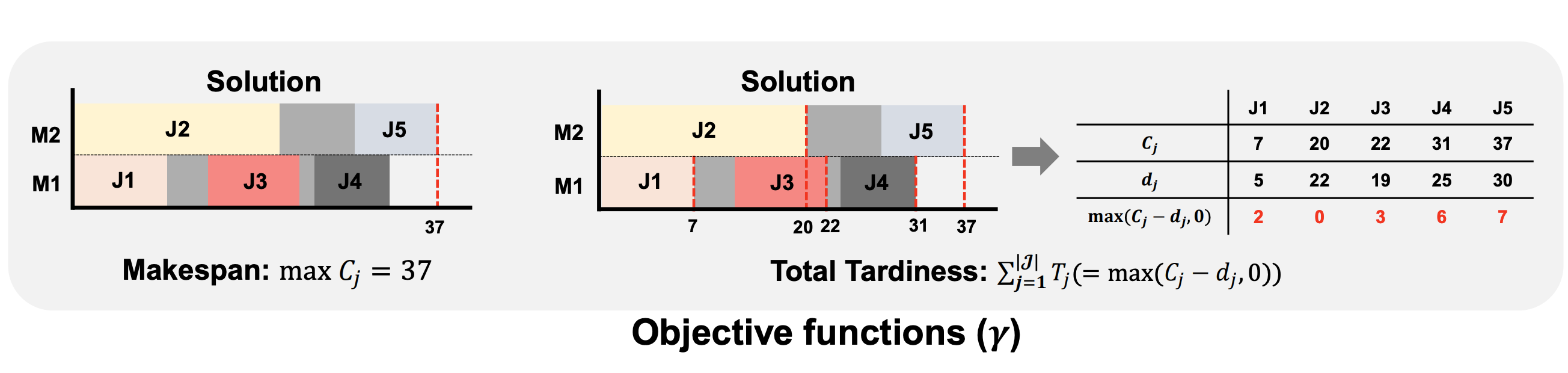
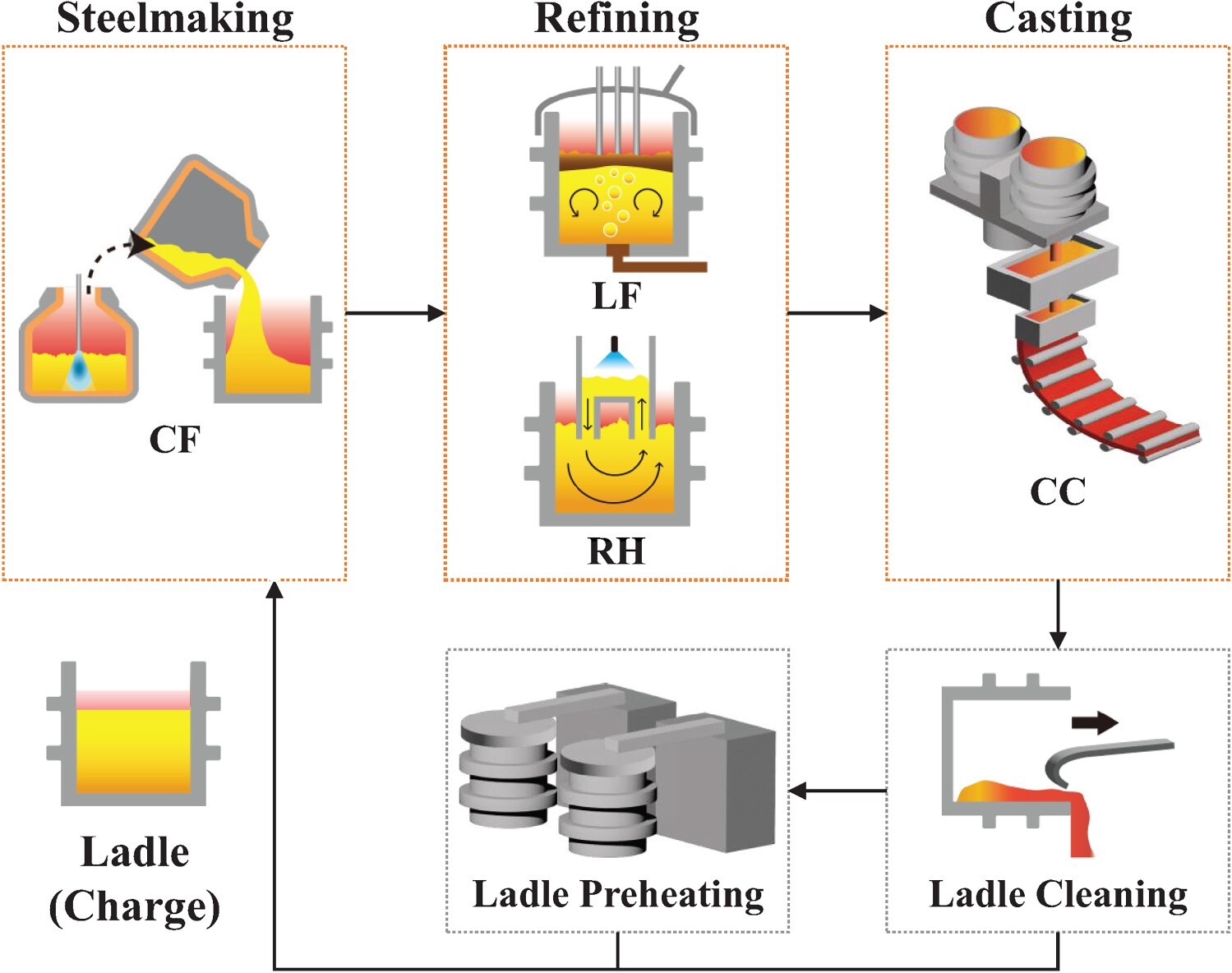
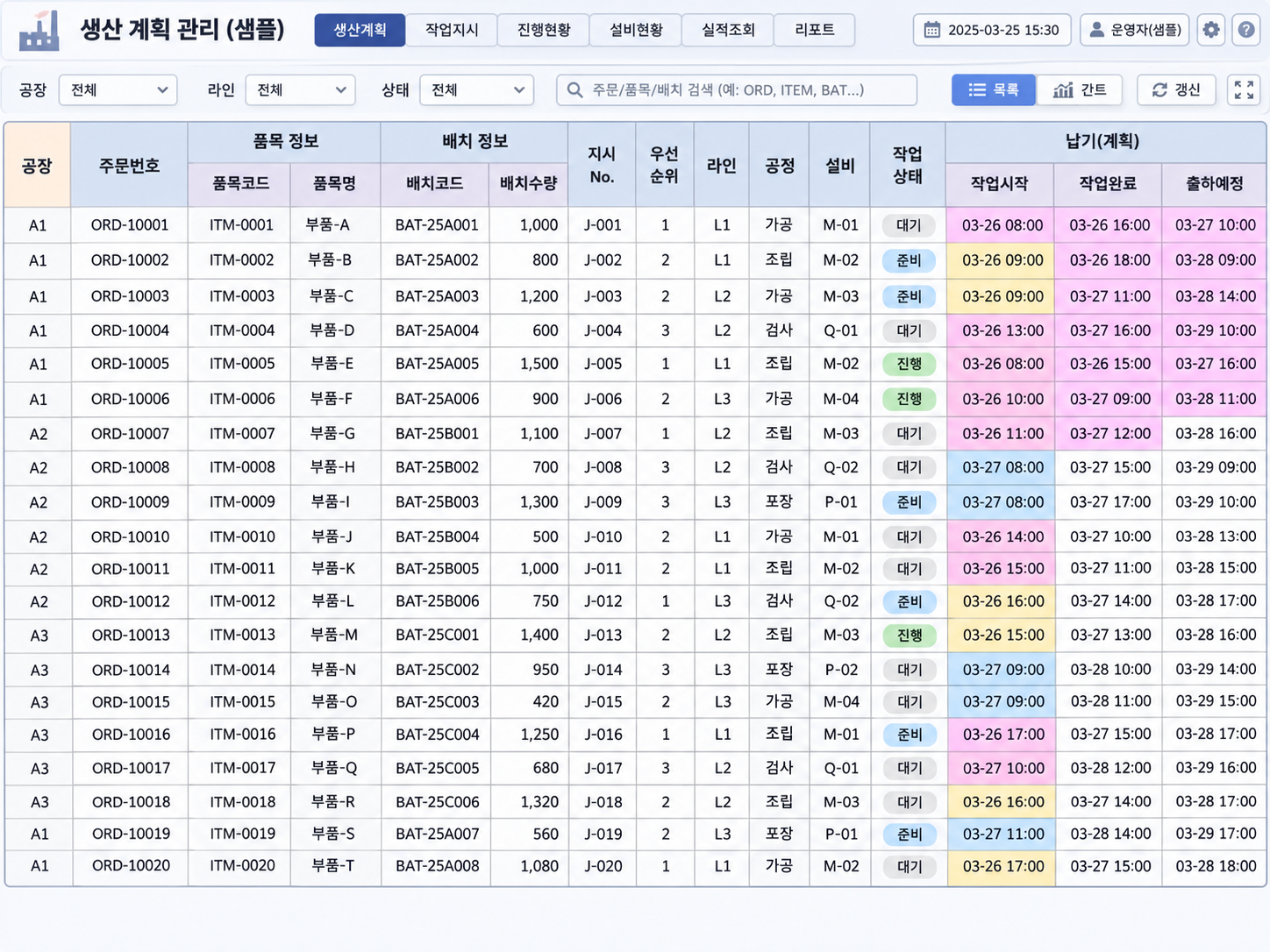
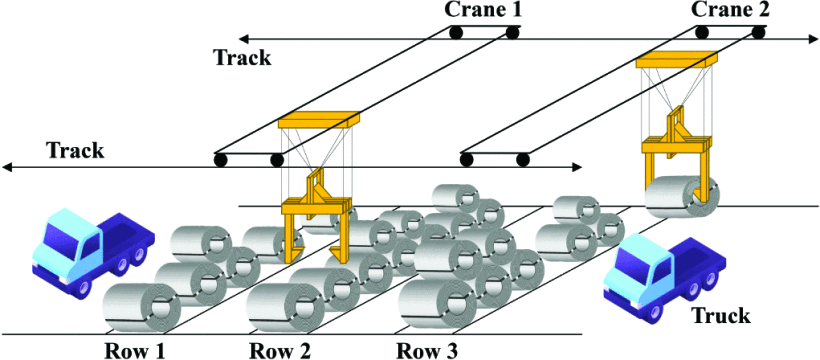
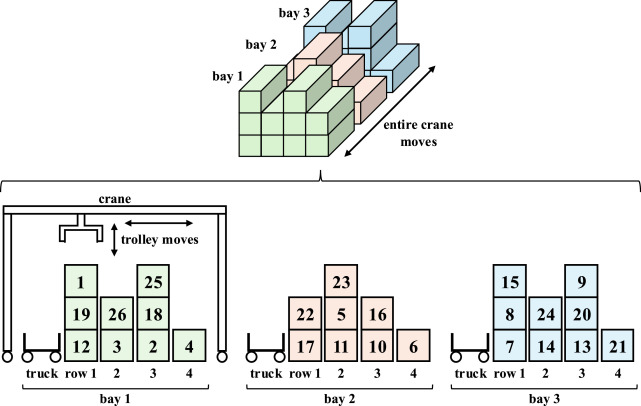
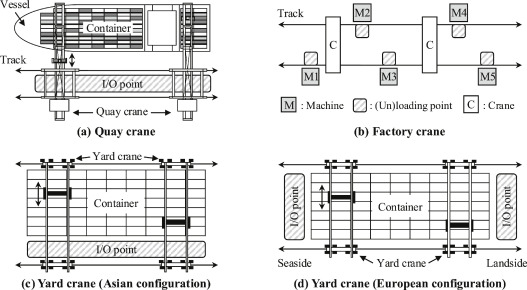
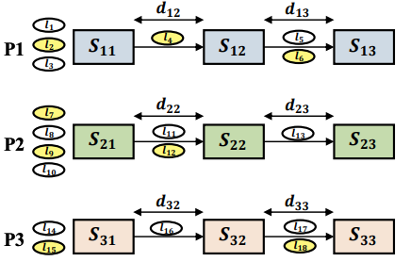
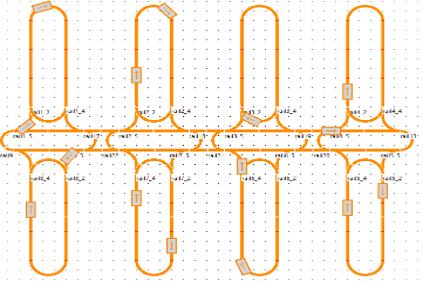
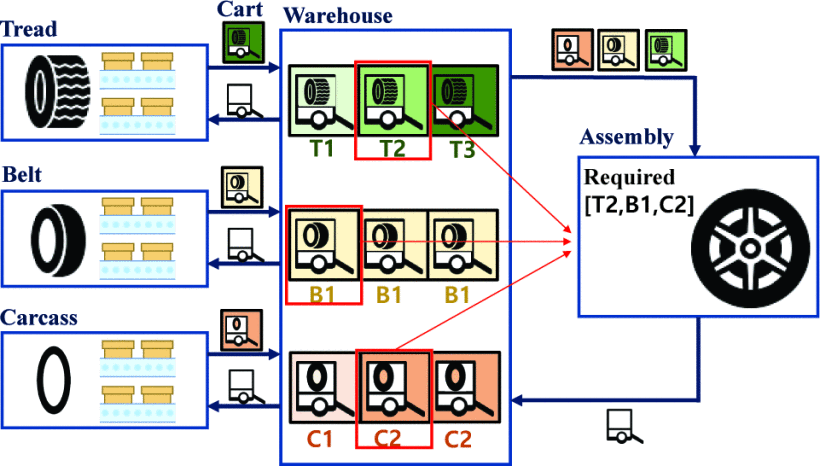
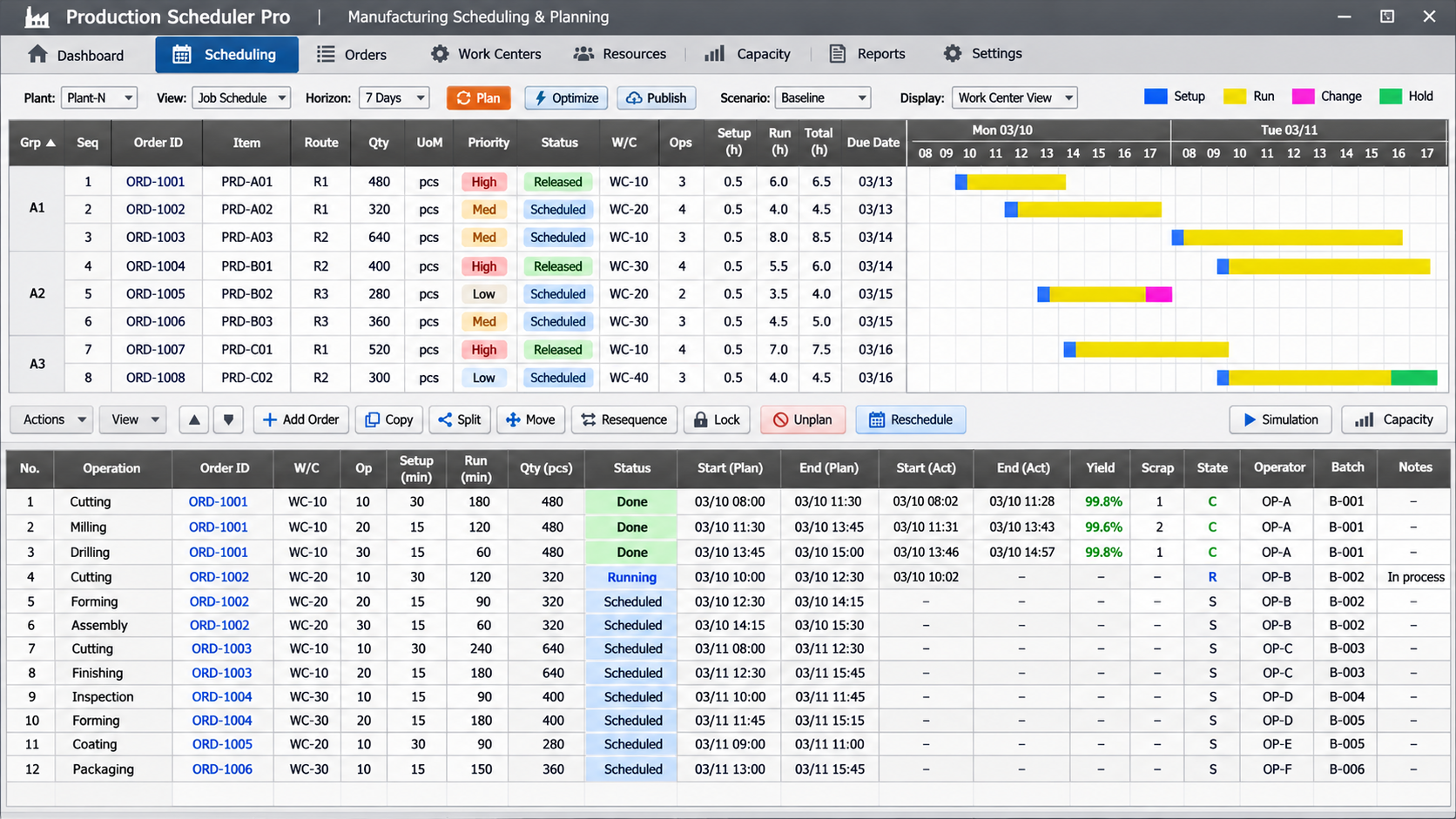
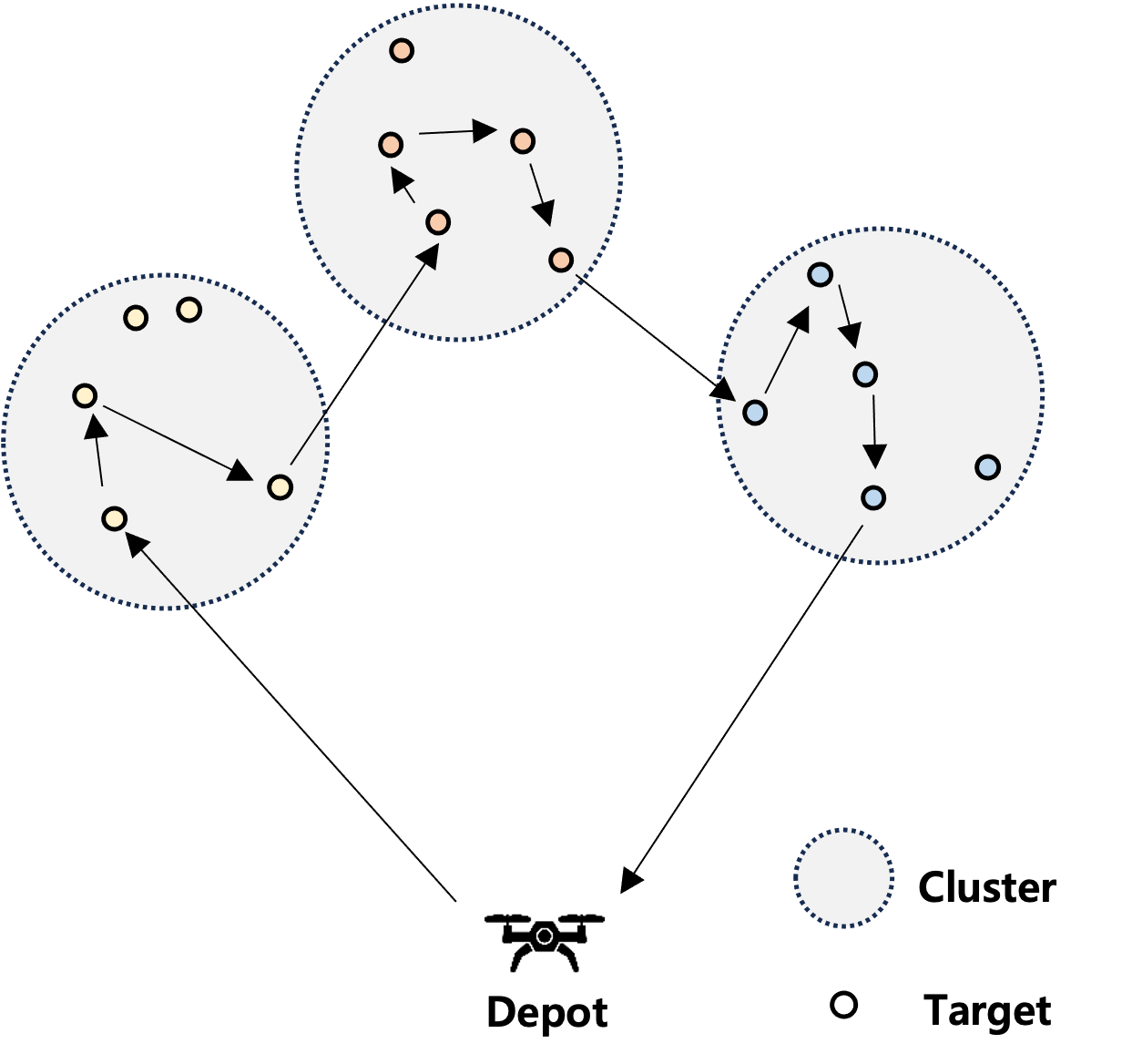
The operations planning and scheduling problems we study are decisions about what to process, when, in what order, and on which machine, under limited equipment and manpower — production planning and sequencing in factories, and loading and material-handling plans at container terminals and warehouses. The aim is to meet targets such as due dates and throughput as well as the given resources allow, while adapting to conditions that change in real time and responding to them quickly.
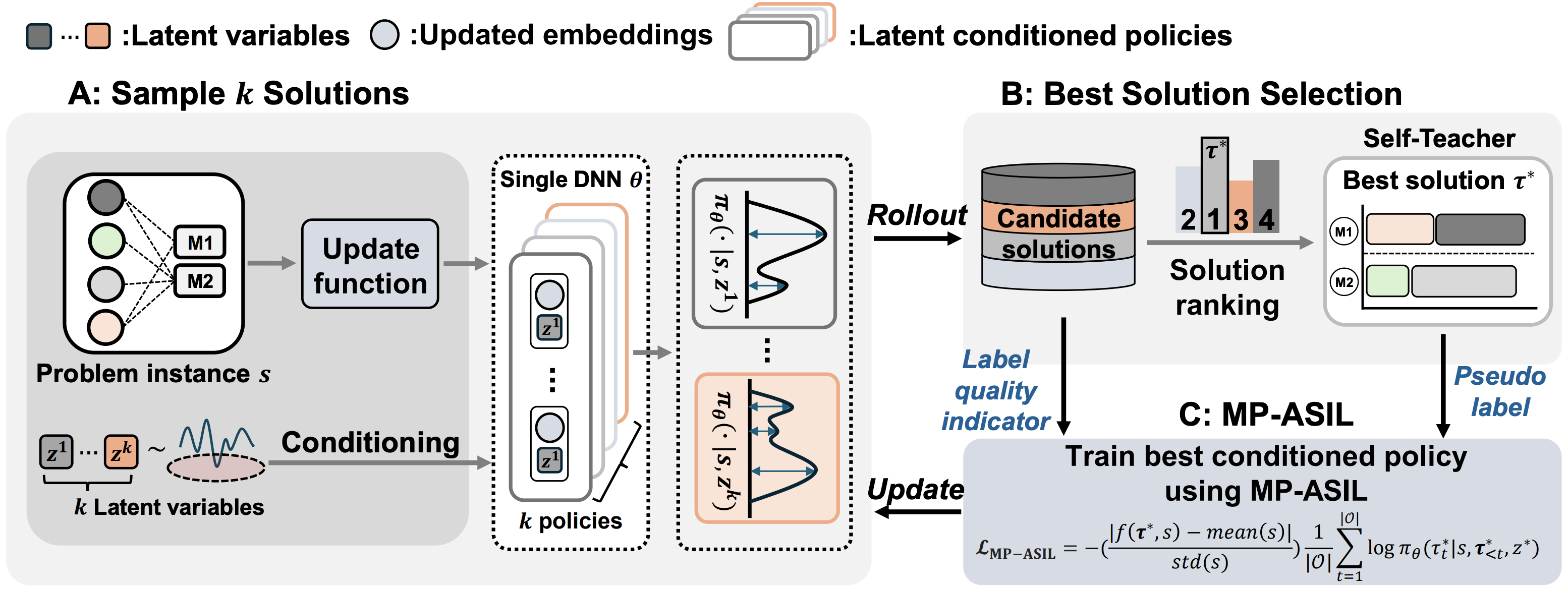
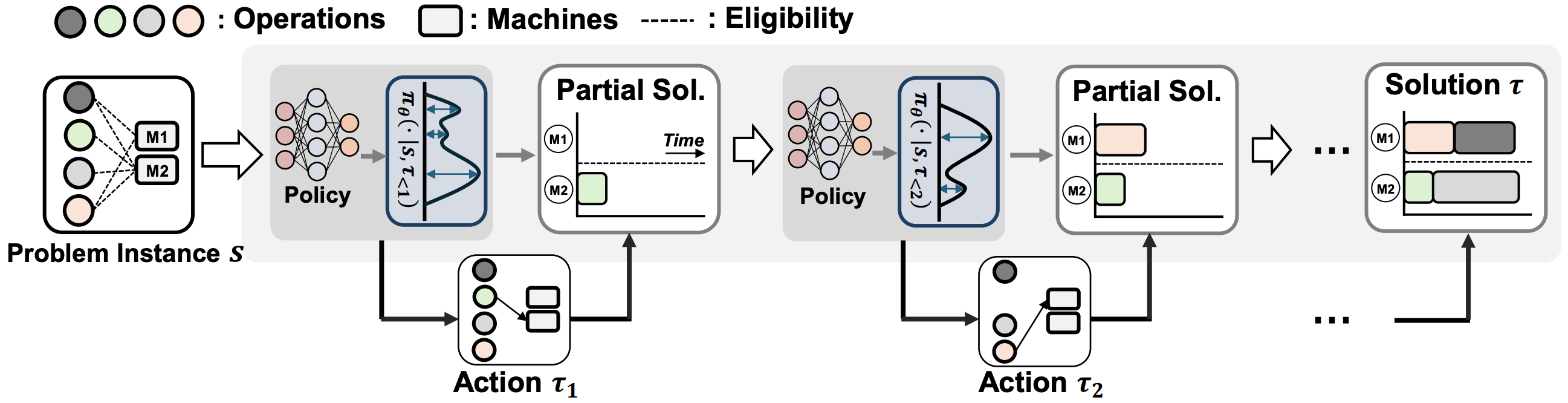
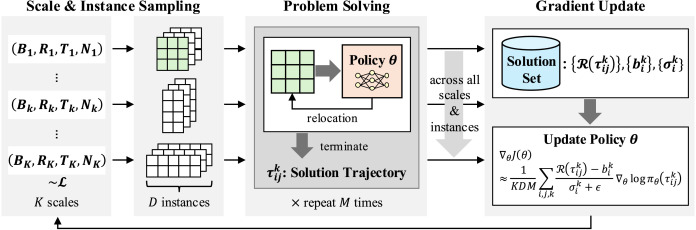
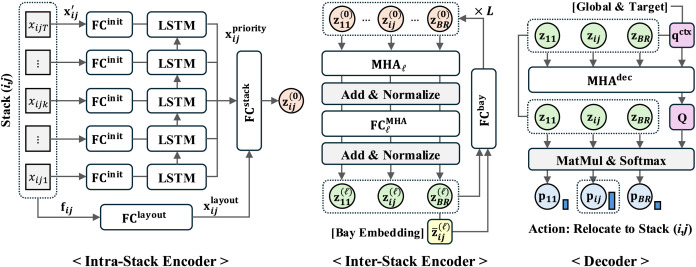
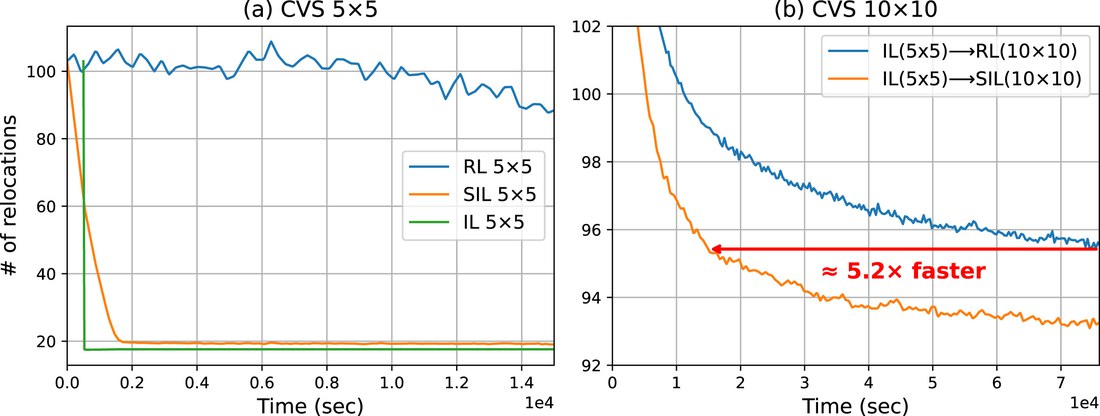
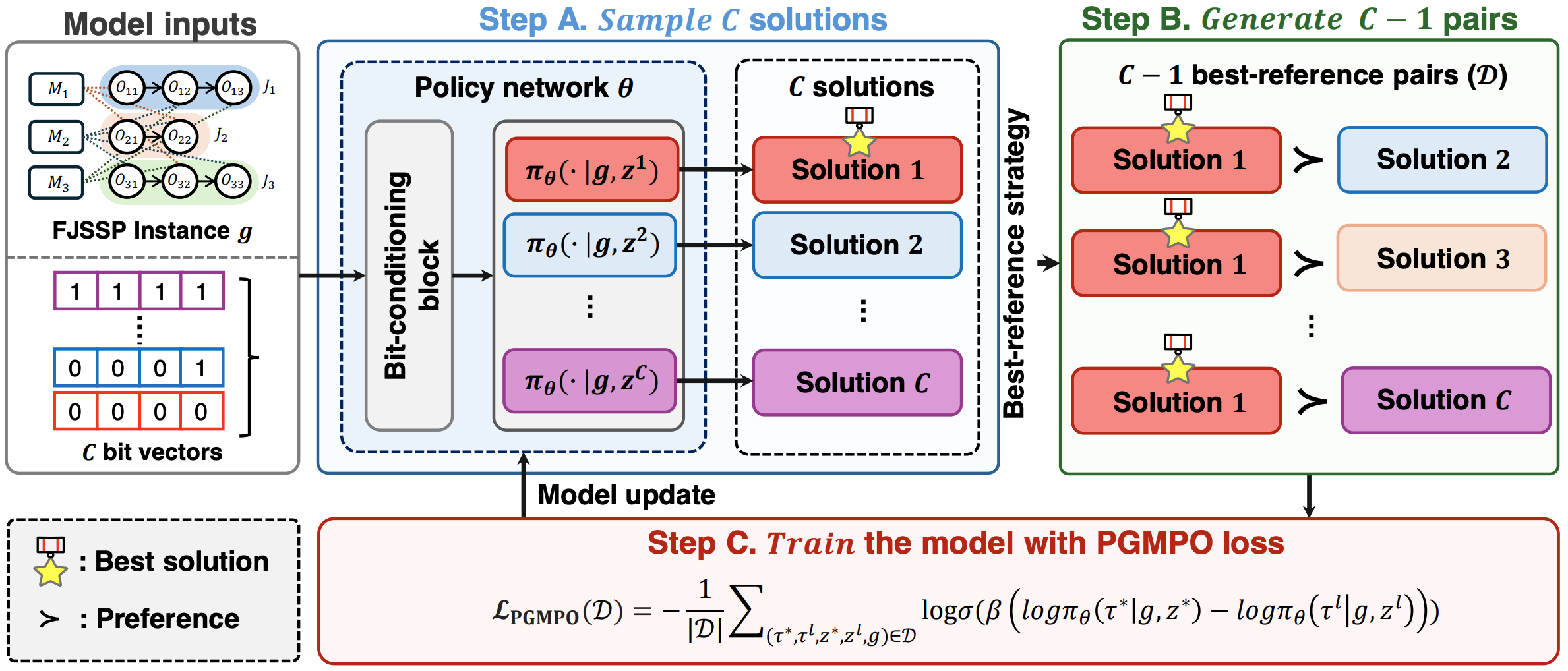
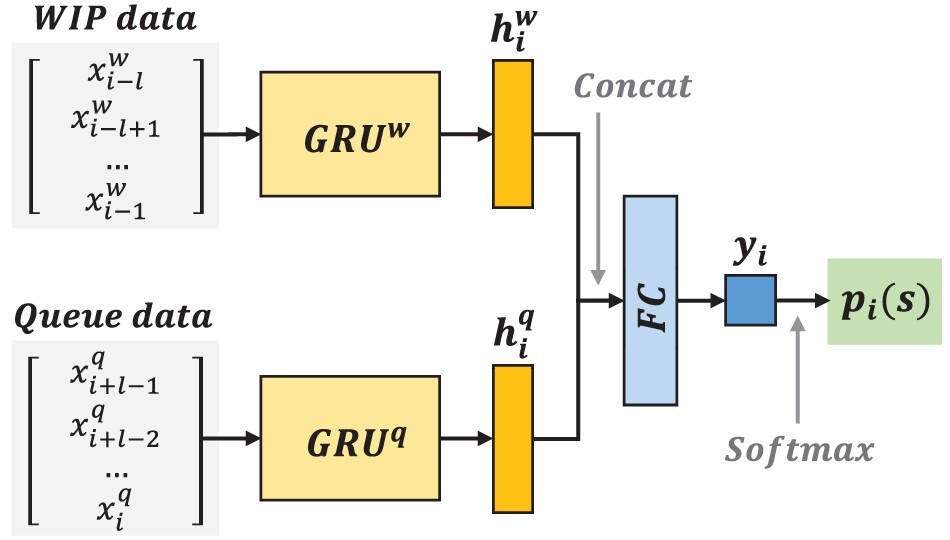
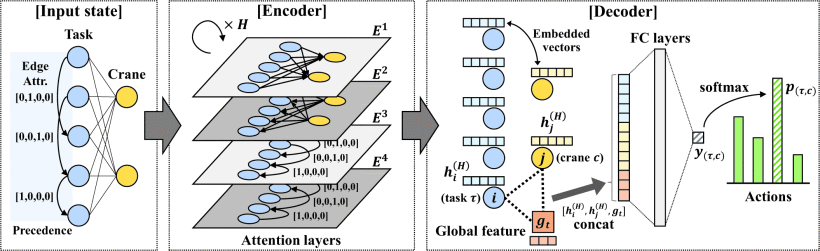
We design scheduling algorithms that learn from data. Reinforcement learning, imitation learning, and neural prediction models are combined with optimization and dispatching logic, so that decisions stay effective as problem scale, constraints, and operating conditions keep changing.
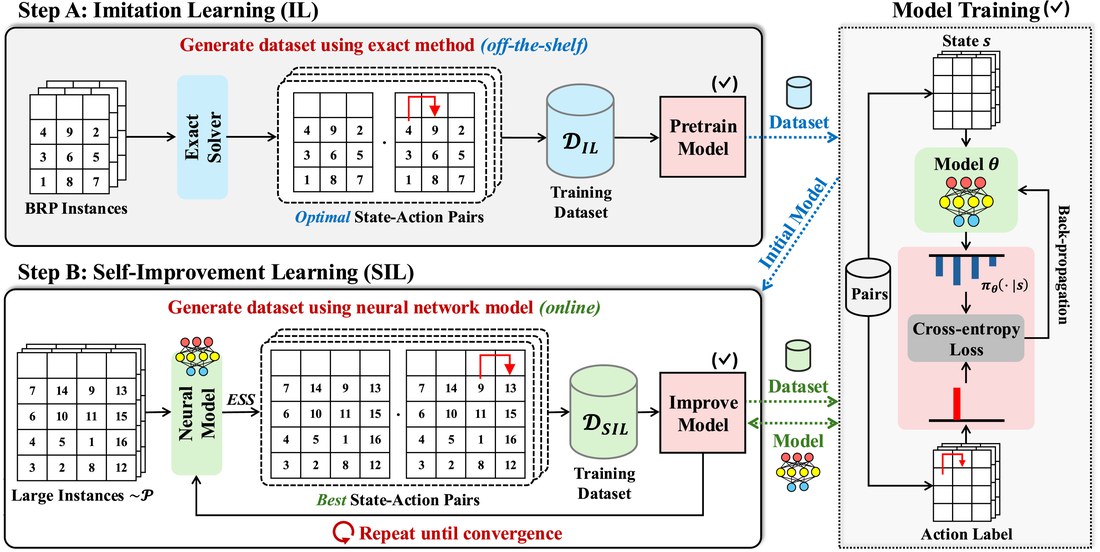
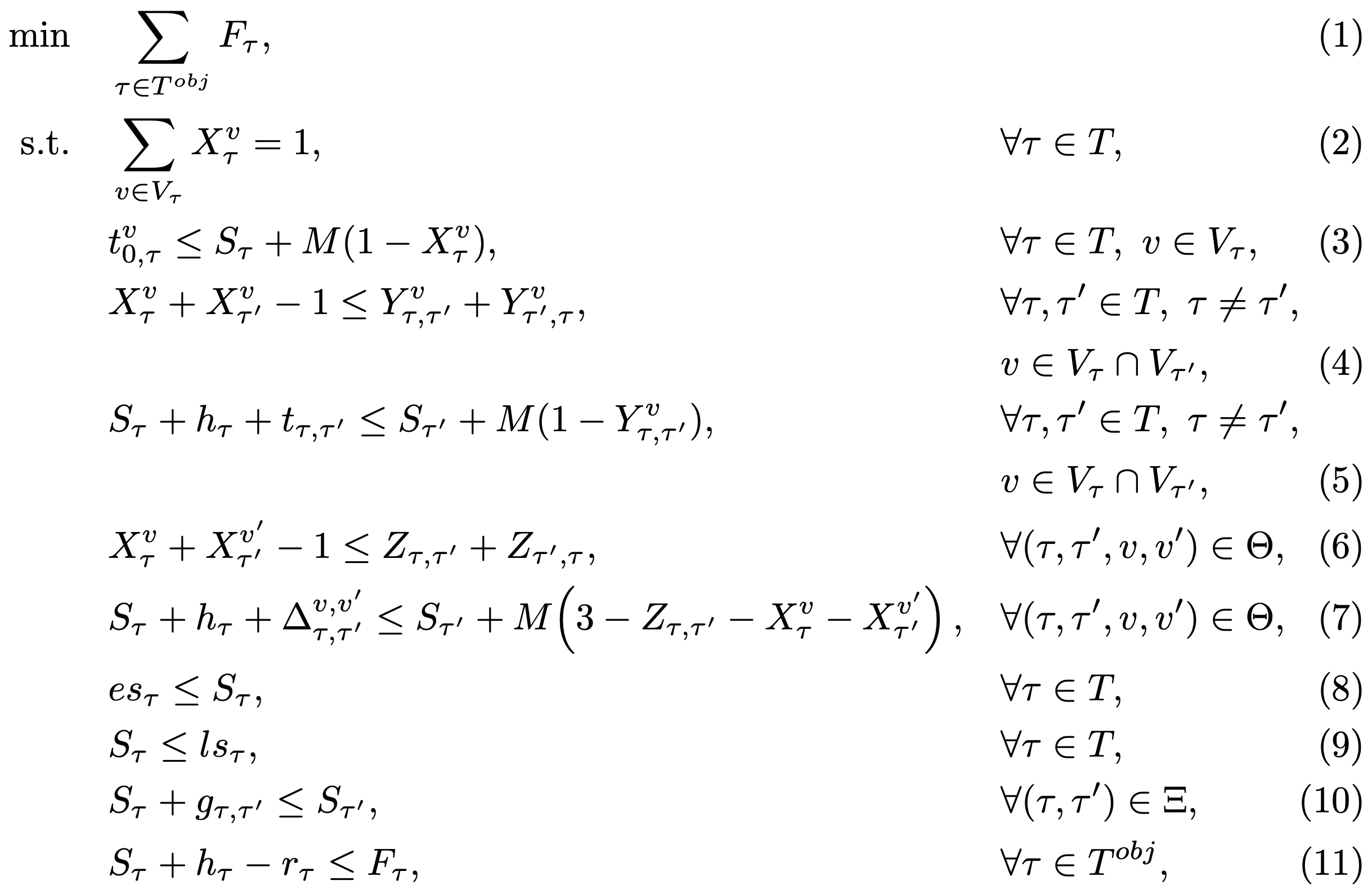
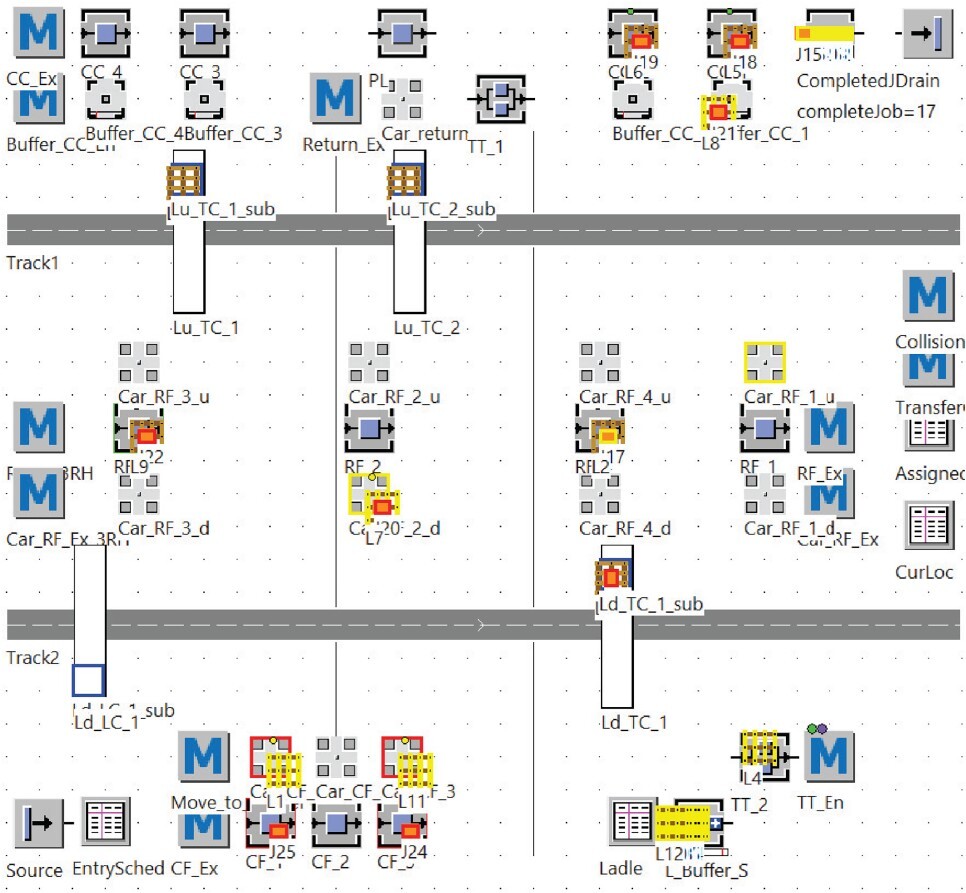
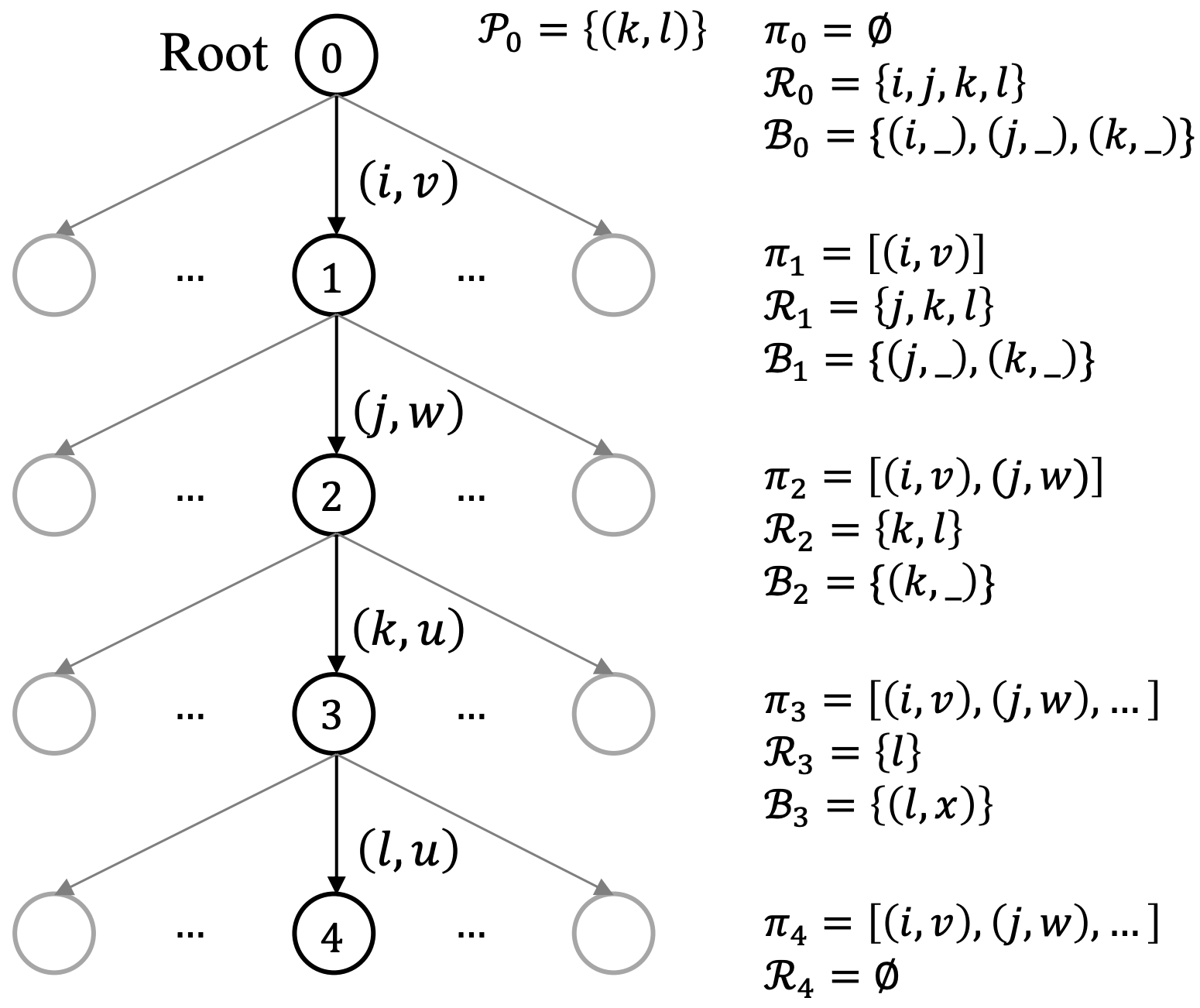
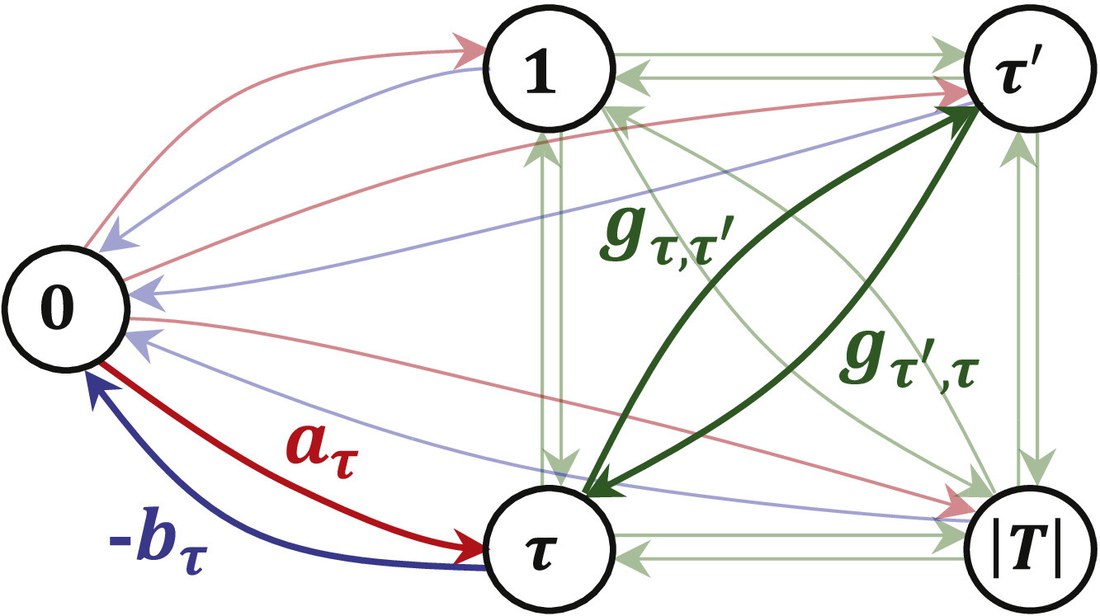
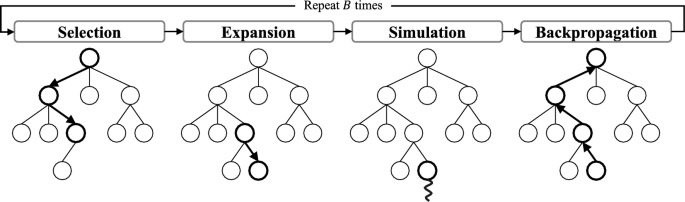
We formulate operations planning and scheduling problems as mathematical models and develop algorithms that solve them at industrial scale — exact methods such as mixed integer programming, valid inequalities, branch-and-bound and decomposition, together with tree search, metaheuristics, and simulation-based optimization.
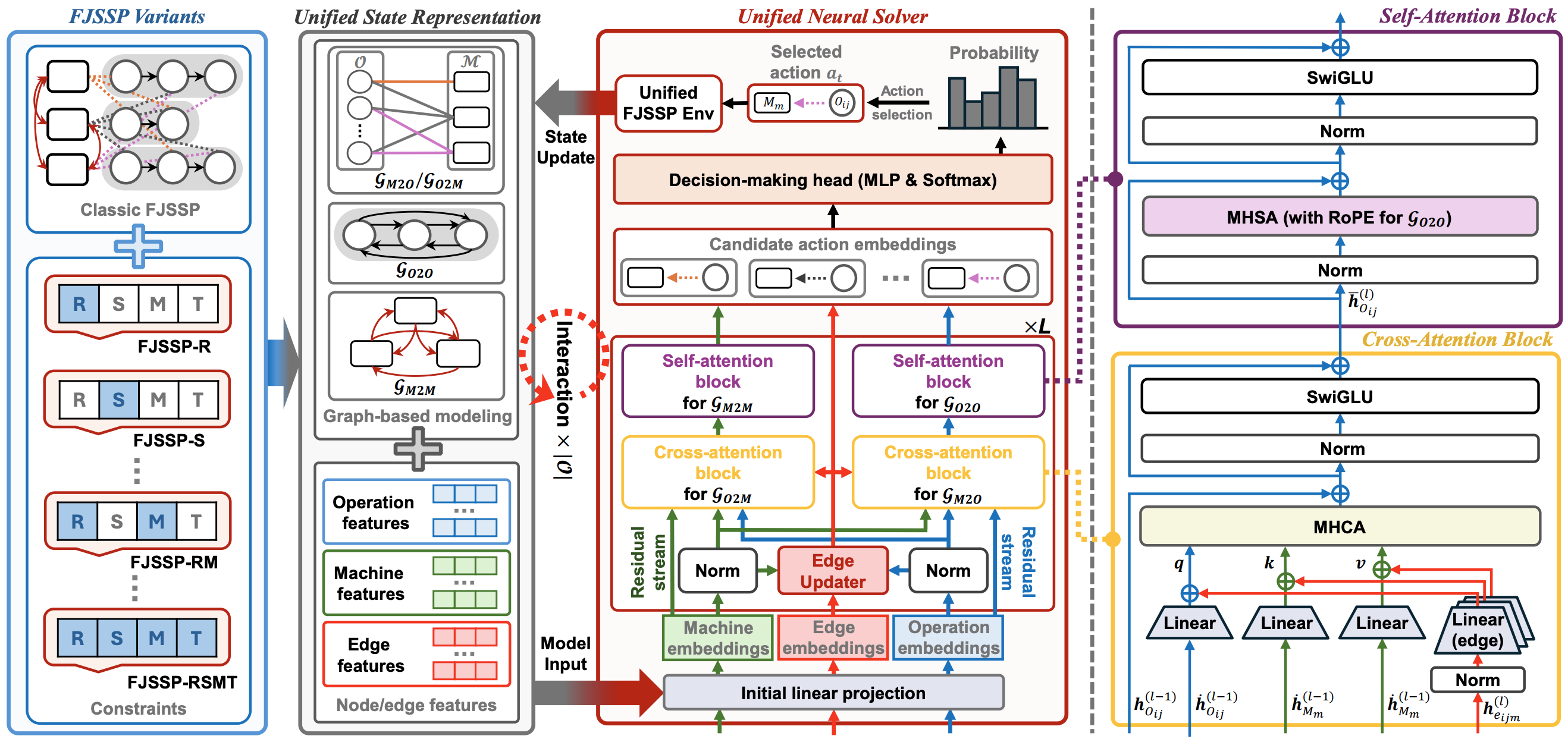
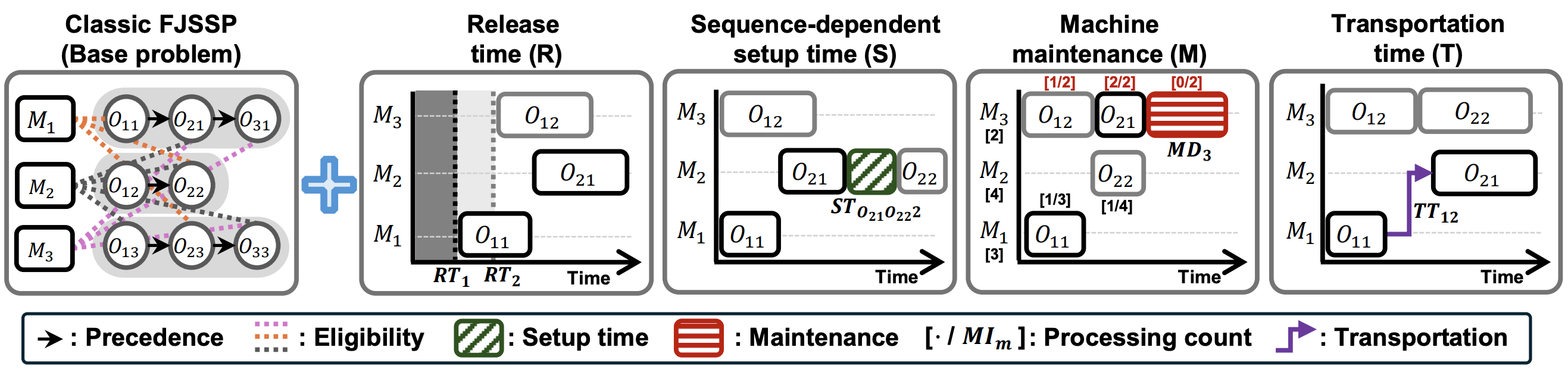
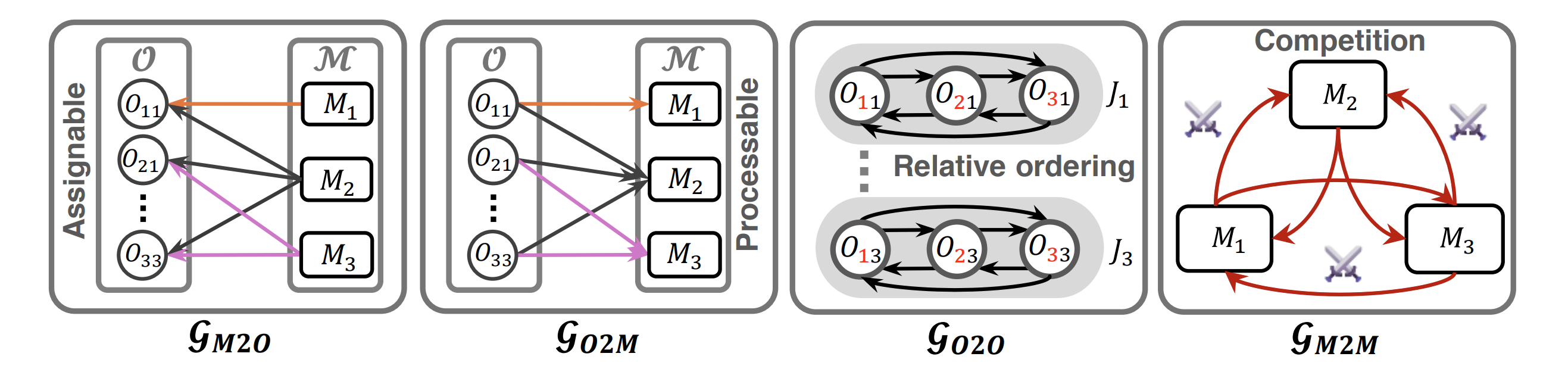
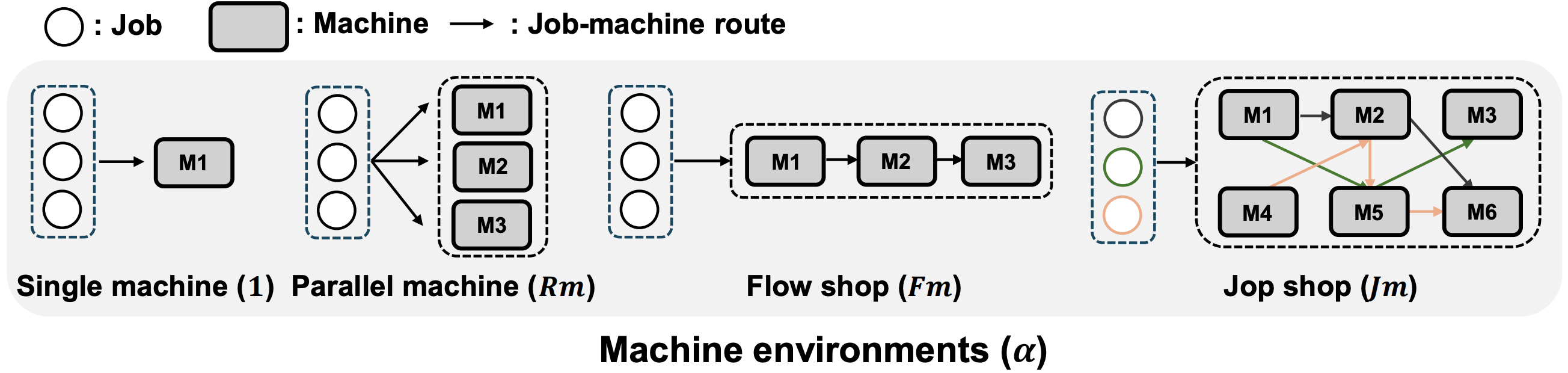
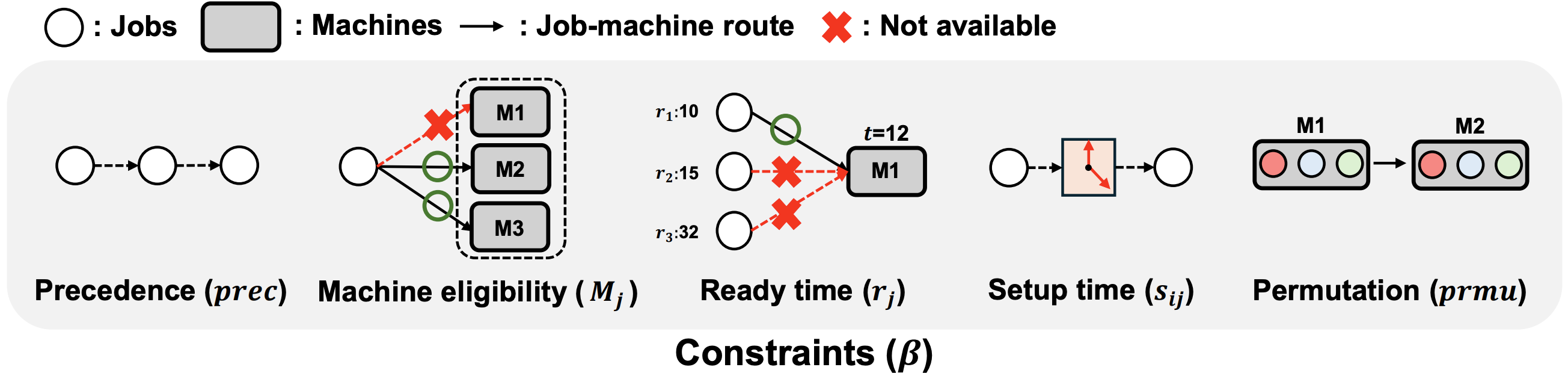
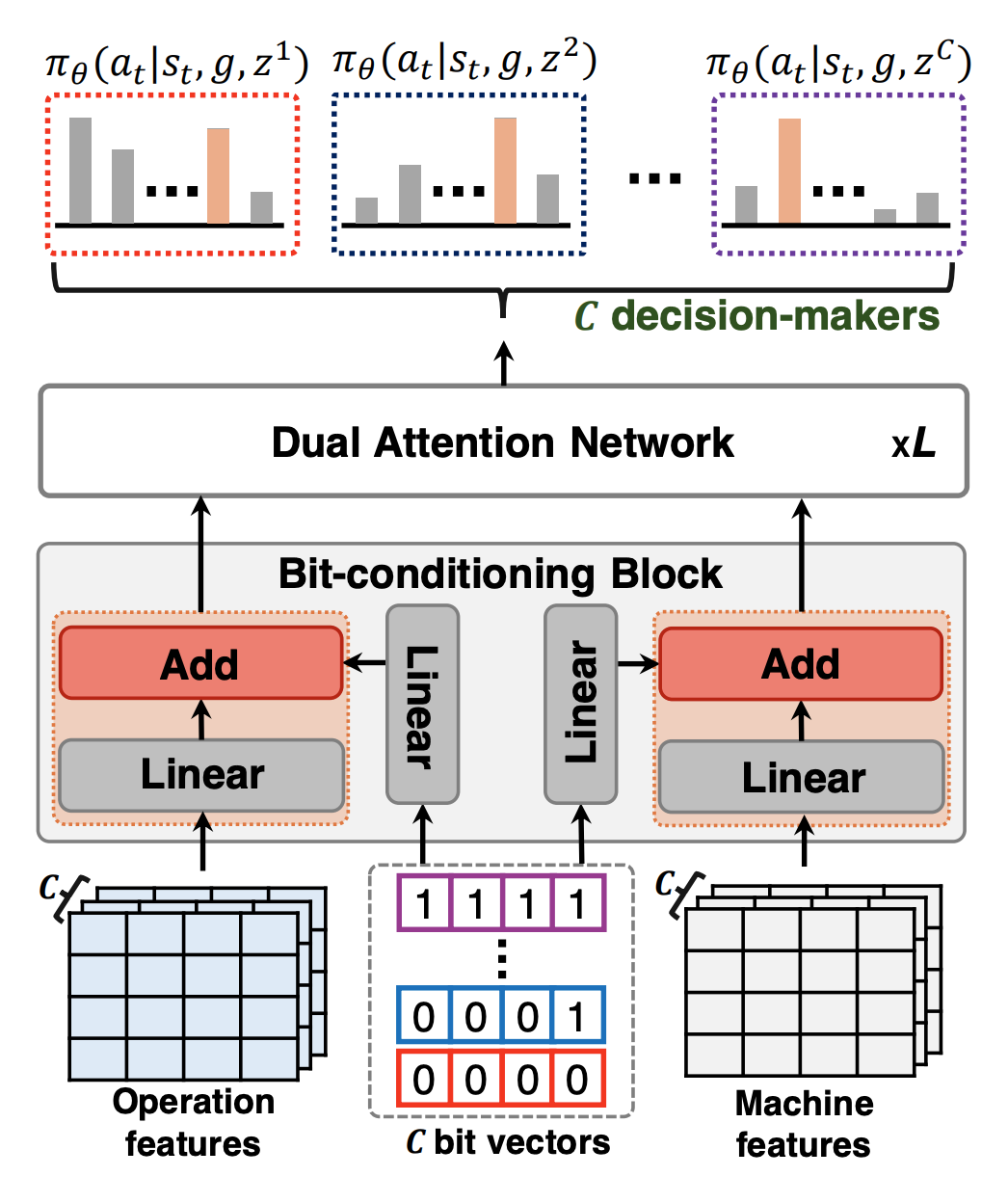
We build scheduling models that generalize. Instead of training a new model for every problem variant, we design unified representations and neural solvers that handle diverse constraints and problem sizes at once, and transfer to unseen variants without retraining.